Understanding the NATS Warning Light in Your Nissan
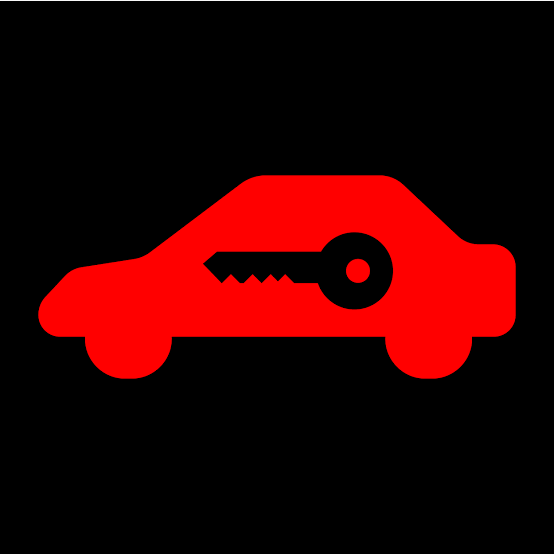
What Does the Car with Key Symbol Mean?
If you own a Nissan and have seen a dashboard light shaped like a car with a key inside it, you are not alone. That icon is tied directly to your vehicle's security system, and when it stays on or flashes, it means the anti-theft system has detected something it does not like. Many drivers mistake it for a general engine light or a simple key fob battery warning. In reality, it is the NATS warning light, and it points to a communication issue between your key fob, the transponder, and the vehicle's immobiliser.
The Nissan Active Trace System (NATS) is an electronic security measure built into many Nissan models. It uses a coded signal between the key fob and the ECU to prevent the car from starting unless the correct key code is present. When that handshake fails, the immobiliser stays engaged, and the car with key symbol appears on the dashboard. That is your first clue that something in the chain is broken.
How the NATS System Works
To understand why the NATS warning light comes on, it helps to know a bit about the hardware involved. Your key fob contains a small transponder that sends a unique code when you press a button or, in some models, when you insert the key into the ignition. The vehicle's ECU receives that code and compares it against a stored list of authorised codes. If the codes match, the ECU releases the immobiliser and allows the engine to start. If they do not match, or if the signal is weak or absent, the immobiliser stays locked and the warning light stays lit.
This system is separate from the engine light, which monitors emissions and mechanical faults. The NATS warning light is purely part of the security system. That distinction matters when you start troubleshooting because you do not want to chase a vacuum leak or a bad sensor when the real issue is a dead battery in the key fob or a misprogrammed transponder.
Common Triggers for the NATS Warning Light
Over the years, I have seen a handful of patterns that reliably cause the NATS warning light to appear. Here is what typically triggers it:
- Weak or dead battery inside the key fob. This is the most frequent culprit. The transponder needs enough power to send its code. When the battery voltage drops, the signal becomes intermittent or too weak for the ECU to recognise.
- Lost synchronisation between the key fob and the ECU. This can happen after a battery change or if the key fob gets dropped or exposed to moisture. The internal memory can lose sync, and the ECU no longer recognises the code.
- A faulty ECU or a wiring issue in the anti-theft system. Less common, but possible in older vehicles or after electrical work near the dashboard or ignition.
- Using a non-programmed spare key. If you have a second key fob that was never programmed to your car, it will not communicate with the NATS system, and the light will stay on.
- Interference from aftermarket electronics. In rare cases, a strong radio signal or a poorly installed device can disrupt the transponder signal.
The good news is that most of these causes are straightforward to diagnose and fix. You do not need to be a professional mechanic, but you do need a methodical approach.
Step-by-Step Troubleshooting
When the NATS warning light appears, start with the simplest checks before moving to more involved diagnostics. Here is a logical order:
- Try your spare key fob if you have one. If the light goes out with the spare, the problem is with your primary fob. If it stays on with both fobs, the issue is likely in the vehicle side of the system.
- Replace the battery in the key fob. Use a fresh, high-quality coin cell. Do not use an old battery from a drawer or one that is near its expiry date. A marginal battery can still show a voltage on a meter but fail under load when the transponder tries to transmit.
- Perform a reset of the NATS system. The exact procedure varies by model, but a common method involves turning the ignition on and off in a specific sequence while pressing a button on the key fob. Your owner's manual will have the precise steps, or you can search online for your model's reset procedure.
- If the light remains, the key fob may need to be reprogrammed. This usually requires a diagnostic tool that can read and write to the ECU. Some auto locksmiths and Nissan dealerships can do this for a reasonable fee. You will need all key fobs present so they can be programmed together.
- If none of the above works, the ECU or the immobiliser module itself may have developed a fault. At that point, a professional diagnostic scan is warranted. A technician can check for fault codes in the security system and test the transponder signal strength.
What Not to Do
One common mistake is to ignore the NATS warning light and assume it will go away. It will not. Another is to try to bypass the immobiliser by jumper wires or by removing fuses. That can damage the ECU or cause a short that affects other systems. The security system is integrated with the ignition and, in some models, with the fuel pump circuit. Tampering with it can leave you stranded.

I also see people replace the entire ignition assembly or the key fob housing when the real issue was just a dead battery. Always check the cheapest and easiest fix first. Replace the key fob battery and try a reset before you spend money on parts or a service call.
When to Visit a Professional
If you have tried a fresh battery, a reset, and a spare fob, and the NATS warning light still glows, it is time to get professional help. A technician with the right diagnostic equipment can read the fault codes stored in the ECU. Those codes will tell you exactly what the system sees: a weak signal, a mismatched code, or a hardware failure in the transponder receiver. Without that information, you are guessing.
Also, if your Nissan is still under warranty, do not attempt any repairs yourself. Take it to the dealership. They have the factory tools and the latest software updates for the NATS system. Sometimes a firmware update to the ECU can resolve intermittent communication issues that a simple reset cannot.
Final Thoughts
The NATS warning light is a useful feature, not a nuisance. It tells you that your anti-theft system is active and that something needs attention. Treat it like any other dashboard indicator: investigate it promptly, follow a logical troubleshooting path, and do not hesitate to ask for help when you hit a wall. A few minutes of methodical checking can save you from a morning of frustration when you are trying to get to work.
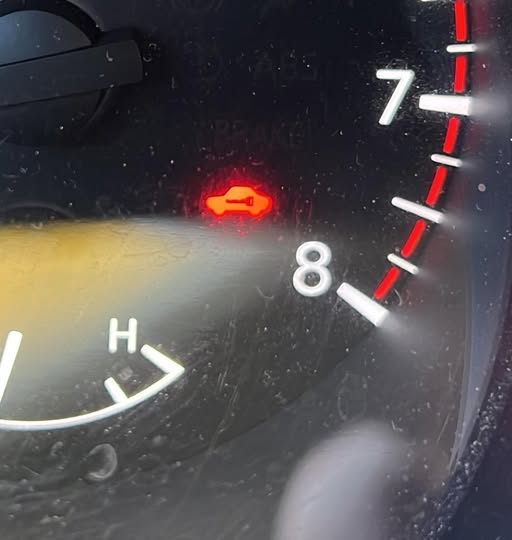
Keep your key fob batteries fresh, have a spare programmed key on hand, and know where your owner's manual is. With those basics, the car with key symbol will rarely be more than a brief reminder to check your key fob's health.